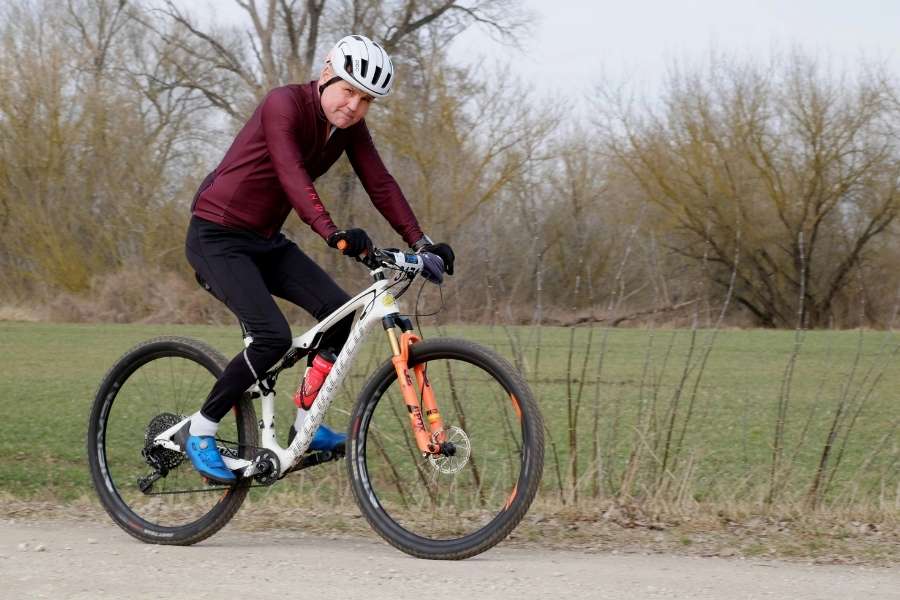
Have you ever pushed your limits until your lungs burn? You check your tracker and your speed hasn’t budged. This plateau often leads to a very frustrating question. Why am I cycling slow despite training hard? The truth involves more than just your raw power. Subtle Cycling Mistakes act like a constant mechanical brake. These efficiency leaks hide in your daily riding habits. Identifying them allows you to glide through the air. Speed is a delicate dance between biology and physics. Even small misalignments result in significant energy loss. Cycling performance is the art of minimizing wind resistance. You must maximize every single pedal stroke you take. Imagine running a marathon in heavy combat boots. Your equipment and technique might be fighting you. Common errors range from posture to gear management. Most riders make these mistakes without even knowing it.
Ignoring Your Tire Pressure and Rolling Resistance
Many cyclists believe that harder tires are always faster. They pump tubes to the maximum listed PSI. This often makes the ride feel like a jackhammer. However, how does tire pressure affect cycling speed? High pressure causes tires to bounce off small pebbles. This sends energy upward instead of moving you forward. Finding the “sweet spot” of tire pressure is vital. It allows the rubber to deform over road bumps. This keeps a consistent contact patch on the ground. Modern science shows that lower pressures are often faster. Wider rims benefit from a more supple tire casing. You can find inspiration for diverse riding terrains in various global guides. Your muscles absorb less road chatter with correct pressure. This leads to less fatigue and a faster pace. Experiment with a digital gauge for your total weight. A smooth ride is almost always a faster ride.

The High-Gear Grind and Low Cadence Trap
Do you constantly push a massive, heavy gear? Feeling the burn in your quads happens very quickly. You are likely falling into a low cadence trap. This is one of the most common Cycling Mistakes. It prioritizes muscular strength over your aerobic efficiency. Think of your legs like a small car engine.
Driving uphill in fifth gear will stall the motor. Downshifting allows you to maintain a steady power output. Aim for a cadence of 80 to 95 revolutions. This shifts the burden to your cardiovascular system. Training your heart is better for long endurance sessions. You can learn about building metabolic stamina through different athletic disciplines. Mastering gear shifting is the secret to high speed. Many riders wait too long to change their gears. Shifting early keeps your legs spinning at a rate. This avoids the “stop-start” energy drain on hills. Stay in the right gear to keep wheels turning.
Sabotaging Your Speed with Poor Bike Posture
Your body creates 80% of total wind resistance. This makes bike posture the most important speed factor. A common error is sitting too upright while riding. You essentially act like a giant, human-shaped parachute. This is one of the primary Cycling Mistakes. It keeps you stuck in a lower speed tier. The correct body position on a road bike for speed is key. Tuck your elbows and lower your torso down. Learn to feel comfortable in the handlebar drops. Horizontal forearms on the hoods also reduce drag. Improving your aerodynamics does not have to be expensive. You do not need a wind-tunnel-tested carbon frame. Narrow your profile to slice through oncoming air. Bring your knees closer to the top tube. Relax your shoulders to maintain a streamlined profile. This allows higher speed for the same effort. It is a game of small, marginal gains.
Frequently Asked Questions about Cycling Mistakes
Why do I feel slower than my riding friends?
This usually involves aerodynamics and overall mechanical efficiency. Baggy clothes or under-inflated tires create massive drag. Sitting upright makes you fight much more wind. Small Cycling Mistakes sap power from every stroke. A dirty drivetrain can also slow you down. Focus on your pedaling technique for better results. Tuck your body into a smaller, tighter profile.
Is a high or low cadence better?
A higher cadence is better for long-distance performance. It relies on your heart and lung capacity. Your aerobic system recovers faster than tired muscles. Mashing big gears depletes your glycogen stores quickly. This leads to “bonking” or hitting the wall. A high spin feels breathless at the start. However, your heart is resilient and sustains effort.
How often should I check my tire pressure?
Check your tire pressure before every single ride. Tubes lose several PSI through the rubber overnight. Small drops in pressure change how bikes handle. It increases rolling resistance and reduces your speed. Consistent pressure ensures safety in every corner. This maintains your peak cycling efficiency on roads. Use a quality pump with an accurate gauge.