Madagascar’s Unique Wildlife will blow your mind the moment you step off the plane. Picture this: you’re standing in a place where 90% of the animals exist nowhere else on Earth. We’re talking about creatures so weird and wonderful that they seem straight out of a fantasy novel.
You know that feeling when you discover something incredible that nobody else knows about? That’s Madagascar every single day. One minute you’re watching a ring-tailed lemur strike the perfect pose, the next you’re getting up close with a Madagascar hissing cockroach that’s actually pretty photogenic once you get past the name.
Here’s the crazy part: finding subjects to photograph isn’t your problem. Your problem is deciding which amazing moment deserves your attention next. Whether you’re shooting with a fancy DSLR or just your phone, this island turns everyone into a wildlife photography rockstar. The real question? How many memory cards did you pack?
Getting Your Gear Right for Madagascar’s Unique Wildlife
Let’s talk equipment without getting too nerdy about it. Madagascar throws everything at you: thick jungle, open plains, tiny creatures, and massive ones too. Your telephoto lens becomes your wingman when you’re trying to snap those fossas that vanish the second they spot humans, or when Madagascar fish eagles decide to show off overhead.
Now, if you want to photograph the really mind-blowing stuff, grab a macro lens. We’re talking about 3,000+ butterfly species, insects that look like living jewels, and chameleons so small they make your thumb look giant. These micro wildlife subjects hide details that’ll make your jaw drop once you see them blown up on your camera screen.
Don’t laugh, but your tripod might be the hero of your entire trip. Madagascar’s forests play tricks with light, creating shadows and golden beams that turn ordinary animal shots into magazine covers. When those Madagascar’s endemic species come out for their evening show, you’ll be ready.
The weather here loves messing with photographers. One minute it’s perfect, the next you’re in a tropical downpour that appeared out of nowhere. Pack some weather protection for your gear unless you enjoy expensive paperweights.
Getting Your Camera Settings Dialed In
Here’s something they don’t tell you in photography school: Madagascar’s animals don’t wait for you to fiddle with your settings. Those Madagascar wildlife photography moments happen fast, and fumbling with your camera while a lemur does something incredible is just painful.
Burst mode isn’t just useful here, it’s essential. Lemur acrobatics happen in split seconds, and birds? Forget about it. They move like they’re late for something important. Fire off multiple shots and thank yourself later when you’re sorting through the keepers.
Forest shooting means pushing your ISO higher than you’d like. Don’t stress about it though. Modern cameras handle ISO 1600-3200 like champs, and slightly grainy shots beat blurry ones every time.
Where the Magic Happens: Top Photography Spots
Andasibe-Mantadia National Park is where dreams come true for wildlife photography destination hunters. The indri lemurs here sound like whales singing in the forest. Their calls give you goosebumps and help you track them down for some serious photo opportunities.
Avenue of the Baobabs at sunset is basically cheating, it’s so photogenic. These ancient trees create silhouettes that make every Madagascar’s unique wildlife shot look like it belongs in National Geographic. Show up for golden hour and prepare to fill your memory card.
Ankarafantsika National Park packs serious punch for endemic species photography. We’re talking 130+ bird species, eight different lemurs, plus reptiles and amphibians everywhere you look. It’s like someone created a wildlife photographer’s playground and forgot to tell everyone about it.
Rain Forest Gold Mines
Masoala National Park is Madagascar’s biodiversity jackpot. This UNESCO site keeps Madagascar’s unique wildlife happy in pristine conditions, which means the animals act naturally instead of hiding from tourists. Getting there takes effort, but the payoff is enormous.
Ranomafana National Park specializes in Madagascar’s endemic primates and actually makes your life easier with decent trails and research stations. The scientists here know where the animals hang out, which beats wandering around hoping for the best.
Marojejy National Park is for photographers who like their adventures with extra challenge. This mountain rainforest hides the silky sifaka, one of Earth’s rarest primates. The hike is brutal, but the bragging rights? Priceless.
Lemur Photography: Your Star Subjects
Ring-tailed lemurs are basically born performers. These Madagascar’s unique wildlife celebrities gather in groups of up to 30, creating chaos that’s absolutely perfect for candid shots. They argue, play, groom each other, and generally provide endless entertainment.
Indri lemurs look like teddy bears that learned to sit like humans. They’re the biggest lemurs around, and when they call to mark territory, you can hear them from miles away. Follow the sound, and you’ll find your subjects.
Sifaka lemurs move like dancers on steroids. These “dancing lemurs” leap impossible distances between trees, making you wonder if gravity works differently here. Catching them mid-flight takes patience and luck in equal measure.
Night Shift: Nocturnal Lemur Adventures
After dark, Madagascar becomes a completely different world. Mouse lemurs, the planet’s tiniest primates, pop out with eyes that glow like tiny flashlights. These nocturnal Madagascar species need different techniques, but the results are worth staying up late.
Aye-ayes win the award for Madagascar’s weirdest creature. They come out at night with their freaky long middle fingers, tapping on bark to find bugs. Getting shots of these mysterious guys usually takes multiple attempts and serious patience.
Nocturnal wildlife photography means learning to use flash without scaring your subjects. Red lights help you navigate without ruining everyone’s night vision, and understanding where animals travel after dark puts you in the right spots.
Reptiles and Amphibians: The Small Wonders
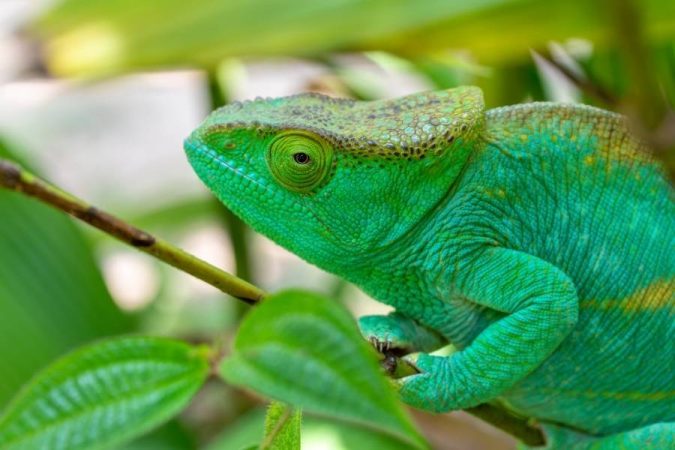
Madagascar hosts over 300 reptile species, and 95% live nowhere else. Chameleon photography alone could eat up your entire memory card, from Brookesia species smaller than your thumb to massive Parson’s chameleons wearing natural crowns.
Madagascar’s unique wildlife includes geckos that look like someone painted them with neon markers. Day geckos sport electric green bodies with red spots so bright they seem fake. These little guys need macro work to show off their incredible details.
The Madagascar ground boa stretches over ten feet long but has the personality of a sleepy house cat. Their patterns are absolutely gorgeous up close, and they’re chill enough to let you get those detailed shots without much drama.