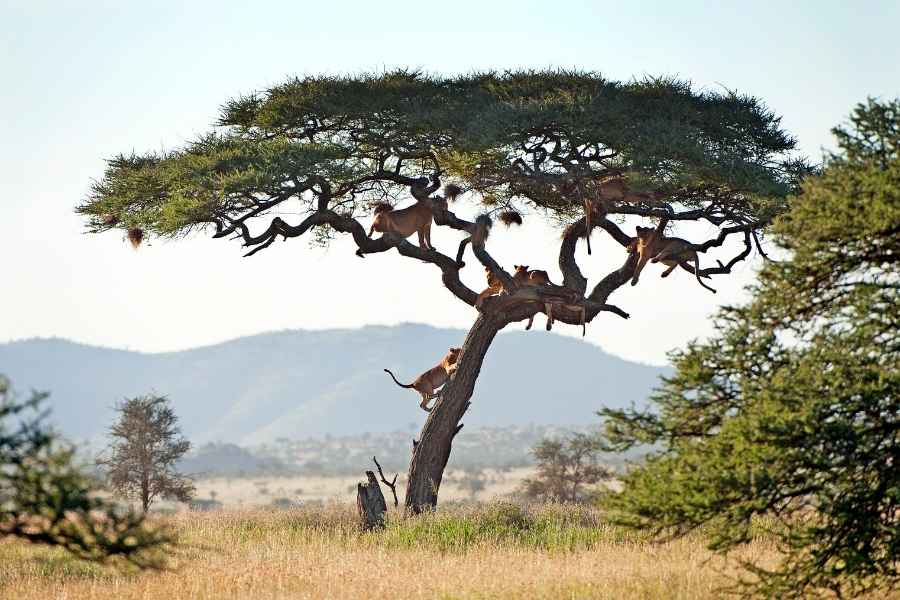
Tanzania’s Lesser-Known National Parks are where the real magic happens. Forget the safari traffic jams in Serengeti. These places? They’re still wild. Properly wild. You know that feeling when you stumble across something incredible that nobody else knows about? That’s exactly what we’re talking about here. Most people never even hear these park names, let alone visit them.
Picture this: you’re watching elephants without 20 other Land Cruisers blocking your view. The only sounds are actual wildlife, not engines revving. Your guide isn’t rushing to the next “big five” checkpoint because there isn’t one. These hidden Tanzania safari destinations work differently. They reward patience, curiosity, and people who appreciate nature on its own terms.
The conservation work happening in these places puts the famous parks to shame. Your money goes directly to protecting ecosystems that desperately need it. Local communities get real benefits, not just scraps from massive tourism operations. Wildlife research gets funded properly. It’s tourism that actually makes sense.
Why Tanzania’s Lesser-Known National Parks Beat The Tourist Trail Every Time
Safari has become weirdly predictable, hasn’t it? Everyone gets the same photos, visits the same spots, hears the same stories. The animals have figured out the routine too. They know exactly when the morning game drives arrive. Some lions barely lift their heads anymore when vehicles approach. That’s not really wild, is it?
These remote Tanzania parks haven’t been tamed by tourism yet. Animals still act like actual wild animals. They run when they see you coming. They hunt when they’re hungry, not when photographers want action shots. Leopards don’t pose on convenient branches because they haven’t learned that branches equal photo opportunities.
What’s brilliant about these places is how your presence actually matters. In Serengeti, you’re tourist number 847,293 this year. In these parks, you might be visitor number 12. Your dollars create real impact instead of disappearing into some corporate tourism machine. Local rangers remember your face. Conservation projects get the equipment they need because you showed up.
Mahale Mountains National Park: Tanzania’s Lesser-Known National Parks Chimpanzee Paradise
Mahale sits on Lake Tanganyika’s shores like something from a nature documentary. Except you’re actually in the documentary instead of watching it on Netflix. The chimpanzee tracking here isn’t some quick tourist activity. You’re joining researchers who’ve been studying the same chimp families for decades. They know every individual by name, every relationship, every bit of family drama.
These chimps have stories. There’s the matriarch who survived poaching attempts in the 1980s. The playful juvenile who steals research equipment. The alpha male who took over from his aging father last year. You’re not just watching random primates; you’re meeting actual personalities with histories. The researchers share these stories like they’re talking about old friends, which basically they are.
Lake Tanganyika adds this incredible bonus dimension. After morning chimp tracking, you can snorkel in water so clear it feels like flying. The fish species here exist nowhere else on Earth. Literally nowhere. Evolution went wild in this isolated lake, creating colors and patterns that seem almost fictional. You’ll swim through schools of cichlids that look like living jewels.
Getting to Mahale Takes Effort, Which Keeps It Special
The journey to Mahale weeds out casual tourists perfectly. You fly to Kigoma, then boat across the lake for hours. No quick helicopter transfers or convenient road access. This filters out people who just want easy photo opportunities. Everyone who makes it here really wants to be here, which creates a completely different atmosphere.
Accommodation stays deliberately basic but comfortable. Don’t expect infinity pools or spa services. You get clean beds, decent food, and incredible surroundings. The focus stays on the experience, not the amenities. Most people find this refreshing after years of over-serviced safari lodges where you barely notice you’re in Africa.

Katavi National Park: Tanzania’s Lesser-Known National Parks At Their Most Dramatic
Katavi is what happens when you remove all the tourist infrastructure and just leave pure African wilderness. During dry season, it becomes this incredible natural theater. The Katuma River shrinks to scattered pools, and every animal for miles around has to use these same water sources. You position yourself at these pools and watch nature’s greatest reality show unfold.
The hippo scenes here defy belief. Hundreds of them crammed into pools barely big enough for dozens. Territorial fights break out constantly. Baby hippos learn survival skills from their mothers. Dominant bulls establish hierarchies through intimidation and actual combat. David Attenborough would lose his mind filming here.
Buffalo arrive in herds that stretch to the horizon. We’re talking thousands of animals moving like black oceans across the plains. The predators know this pattern and position themselves accordingly. Lions follow the herds like shadows. Hyenas laugh in the distance, waiting for opportunities. Crocodiles lurk at every water crossing. It’s ecosystem dynamics playing out exactly as they have for millennia.
Timing Is Everything in Katavi’s Tanzania’s Lesser-Known National Parks Drama
Visit during wet season and you’ll see lush landscapes but scattered wildlife. Come during dry season and witness one of Africa’s greatest wildlife spectacles. The animals concentrate around remaining water in numbers that photographer dreams are made of. Every watering hole becomes a stage where life-and-death dramas play out continuously.
The isolation here is profound. You might go entire days without seeing another vehicle. The silence between game drives feels different from anywhere else. It’s not just quiet; it’s primordial. You remember what the world sounded like before engines, before civilization, before humans changed everything.
Rubondo Island National Park: Tanzania’s Lesser-Known National Parks Island Experiment
Rubondo Island sits in Lake Victoria like some kind of ecological experiment gone wonderfully right. The animals here are refugees, really. Chimpanzees rescued from illegal trade. Elephants relocated from areas where they faced persecution. Giraffes introduced to create balanced ecosystems. It’s conservation science in action, and you can watch the results.
The chimps here have the most fascinating backstories. They arrived as traumatized individuals who’d forgotten how to be wild chimpanzees. Researchers patiently taught them forest skills, social behaviors, survival techniques. Now they’re thriving wild communities with babies who’ve never known captivity. It’s one of conservation’s genuine success stories.
Island elephants behave differently from their mainland cousins. They’ve learned to navigate limited space efficiently, creating pathways that maximize territory use. They swim between smaller islands when water levels allow. These behavioral adaptations happen in real-time, showing how quickly wildlife adapts to new circumstances when given the chance.
Lake Victoria Adds Layers to Tanzania’s Lesser-Known National Parks Experience
The lake itself provides incredible diversity. Local fishing communities work these waters using techniques their great-grandfathers taught them. You can join fishing expeditions, learning traditional methods while contributing to community income. The cultural exchange adds depth that pure wildlife viewing can’t match.
Bird watching on Rubondo reaches ridiculous levels. Over 400 species use the island regularly, including migrants from three continents. Seasonal timing determines which species you’ll encounter, but any time of year produces spectacular viewing. The concentrated habitat makes spotting easier than on mainland locations.
Gombe Stream National Park: Where Tanzania’s Lesser-Known National Parks Meet Scientific History
Gombe is where Jane Goodall changed everything we thought we knew about chimpanzees. The same forests, the same trails, the same communities she studied. Current researchers continue her work with grandchildren and great-grandchildren of the original study subjects. You’re walking through living scientific history while it’s still being written.
The research depth here is staggering. They know individual chimps going back 60+ years. Family trees, personality traits, behavioral innovations, cultural transmissions between generations. Your guides aren’t just showing you animals; they’re sharing documented scientific discoveries. They’ll point out the exact tree where tool use was first observed, the clearing where complex social behaviors were documented.
These Tanzania chimpanzee tracking experiences feel completely different because of this context. Every behavior you observe connects to decades of research. The chimps aren’t just random primates; they’re individuals with documented histories, known relationships, proven intelligence levels.
Gombe’s Tanzania’s Lesser-Known National Parks Scientific Legacy Continues
The research station still operates at full capacity, studying everything from genetics to cultural transmission. New discoveries happen regularly, adding to the massive database started by Goodall. Your visit fees help fund this ongoing work, making you a direct contributor to scientific advancement.
Lake Tanganyika’s crystal waters provide snorkeling opportunities among fish species found nowhere else. The underwater diversity rivals any coral reef system, with cichlids that evolved in complete isolation. You can spend mornings tracking chimps and afternoons exploring underwater worlds that Darwin would have found fascinating.
Saadani National Park: Tanzania’s Lesser-Known National Parks Beach Safari Weirdness
Saadani breaks every safari rule by putting traditional game animals next to ocean waves. It shouldn’t work, but somehow it’s brilliant. Elephants walk along beaches like they own the place. Lions hunt with crashing waves as background music. Hippos have figured out saltwater living. It’s surreal and wonderful.
The ecological combinations here exist nowhere else on Earth. Mangrove forests shelter hippos and crocodiles while fish eagles hunt overhead. Dhow trips might encounter dolphins, whale sharks, or migrating whales depending on timing. Your coastal Tanzania wildlife experience includes both terrestrial and marine components in ways that feel almost fictional.
Historical layers add cultural depth that typical parks can’t match. Ancient Swahili trading posts dot the coastline. Colonial ruins hide in forest clearings. Traditional fishing villages continue practices that predate tourism by centuries. Local communities have adapted to seasonal wildlife movements, creating sustainable coexistence models that modern conservation programs study.