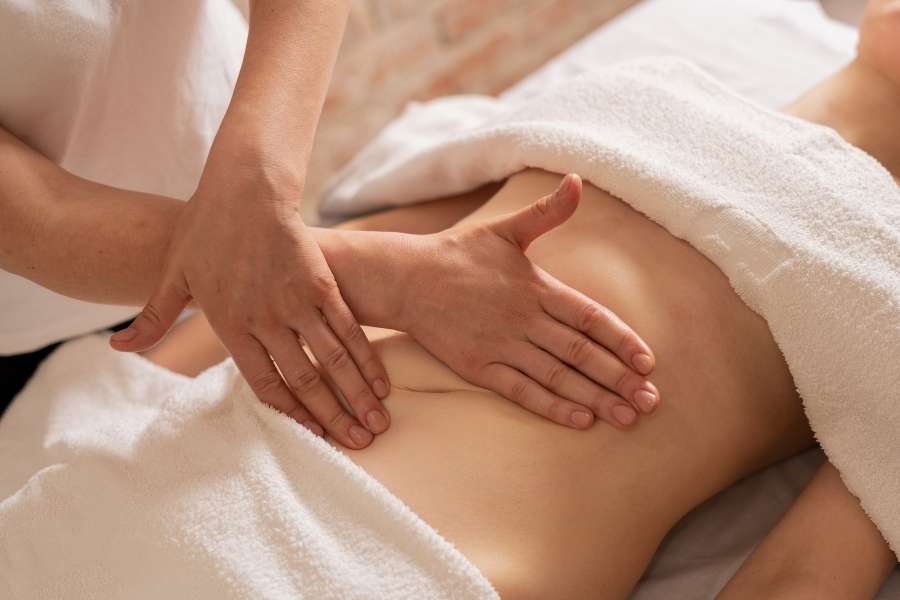
Have you ever felt strangely heavy or noticed puffy eyes in the morning? This feeling often signals that your internal filtration system is struggling. The human body relies on a complex network to remove cellular waste. When this system slows down, you might feel fatigued or bloated. Lymphatic Drainage Massage offers a gentle way to restart this vital process. It is not a deep muscle rub but a light, rhythmic touch. This technique helps move fluid toward your natural filtration points. It acts like a professional cleaning crew for your internal environment.
How Manual Lymphatic Massage Boosts Your Internal Flow
A manual lymphatic massage uses light pressure to move stagnant fluid. Unlike the heart, the lymph system has no central pump. It needs movement or external stimulation to stay active and healthy. This practice is essential for effective systemic detox and vitality. Many people find that understanding what women need to know about spa traditions helps their journey. Stagnant fluid can trap metabolic waste and trigger body inflammation. Expert research shows this massage can significantly increase your lymph flow.
| Benefit Category | Primary Effect | Scientific Rationale |
| Immune System | Enhanced pathogen filtering | Increases the speed at which lymph reaches nodes. |
| Fluid Balance | Swelling reduction | Manually directs interstitial fluid back to circulation. |
| Metabolic Health | Natural detox support | Accelerates removal of cellular byproducts. |
Why Doctors Recommend This for Post-Surgery Recovery
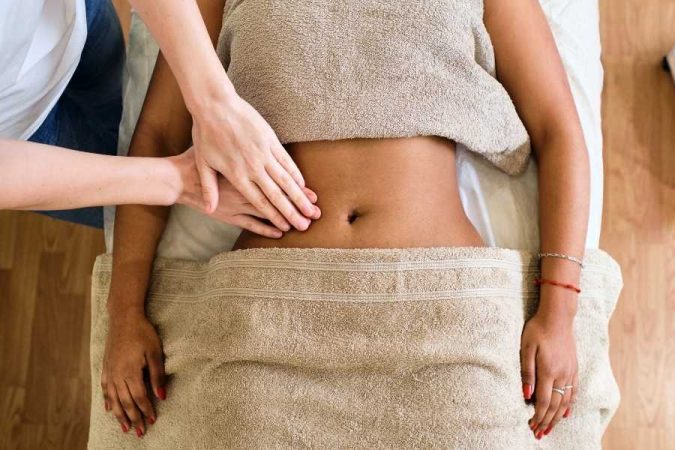
Surgery often causes significant fluid retention and localized tissue swelling. The body sends extra fluid to protect the injured area. However, too much fluid can actually delay the healing process. Lymphatic massage for post-surgery swelling recovery helps clear this buildup. It prevents the formation of hard scar tissue after an operation. Finding a real paradise for recovery can make a huge difference in results. Patients often feel an immediate reduction in surgical tightness.
| Surgery Type | Common Issue | Recovery Benefit |
| Orthopedic | Joint stiffness | Restores motion faster by clearing joint fluid. |
| Cosmetic | Uneven texture | Promotes body contouring and smooth skin. |
| Oncological | Lymphedema | Manages chronic swelling by redirecting lymph. |
Does Lymphatic Drainage Massage Really Help with Bloating?
Many people use this technique for its visible body contouring effects. It effectively moves excess water away from the abdomen and face. This process provides a temporary “snatched” look for special events. The real magic is how light you feel afterward. It creates more “room” in your skin by reducing pressure. This relief often leads to better sleep and mental clarity. It is a fantastic tool for those dealing with chronic digestive sluggishness.
Frequently Asked Questions about Lymphatic Drainage Massage
How often should you get lymphatic drainage massage for results?
A monthly session is great for maintaining a strong immune system. For surgery recovery, two sessions per week are often better. The frequency depends on your specific health goals and physical condition. Consistency is the key to seeing long-term improvements in fluid balance.
What are the primary lymphatic drainage massage benefits explained by experts?
Experts highlight swelling reduction and faster toxin removal as keys. It also supports the body’s natural defense against seasonal illnesses. Regular sessions can help maintain a healthy inflammatory response. This makes it a powerful preventative health measure.
Can this massage help with long-term weight loss goals?
It helps with water weight but does not burn fat. It is best used to complement a healthy lifestyle. You might notice a slimmer appearance due to decreased water retention. However, it should not replace regular exercise and a balanced diet.
Is there anyone who should avoid this specific treatment?
People with heart failure or active infections should wait. Always consult a doctor if you have blood clot concerns. Safety is the priority when stimulating the circulatory and lymphatic systems. Professional therapists will always screen for these conditions.