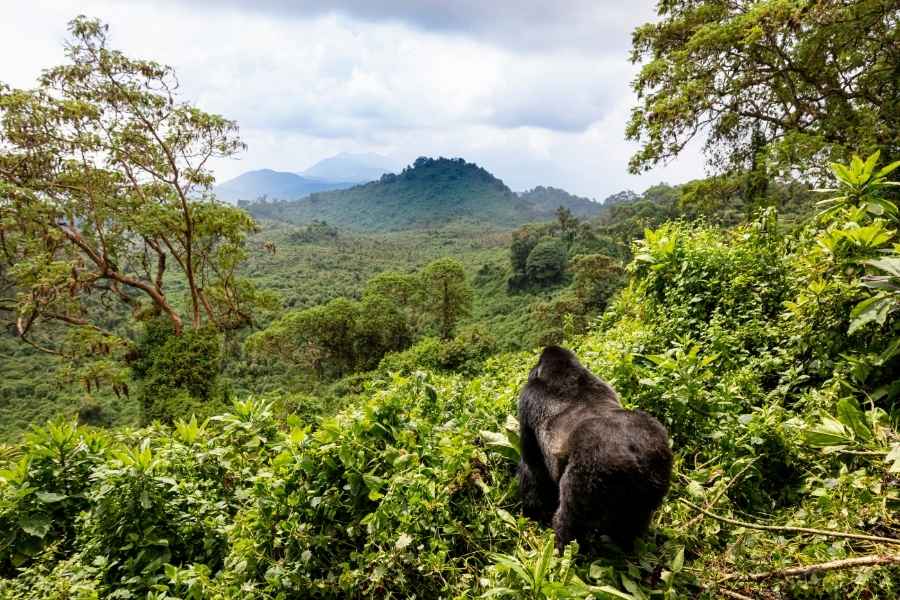
Rwanda’s Mountain Gorilla conservation is honestly mind-blowing when you dig into it. Picture this: a country torn apart by genocide somehow becomes the world’s best gorilla conservation powerhouse. Sounds impossible, right? Yet here we are, witnessing something that breaks every rule about what should work in conservation. This tiny East African nation pulled off what most experts thought was fantasy. Their community-based conservation initiatives didn’t just save gorillas from disappearing forever. They completely flipped the script on how conservation actually works. You’re probably scratching your head wondering how a place recovering from such horror could become the poster child for endangered mountain gorilla populations bouncing back. The secret sauce? Mixing smart leadership with gutsy moves and refusing to give up on these incredible creatures.
The Dark Days: When Rwanda’s Mountain Gorilla Nearly Vanished
Let’s be brutally honest about how bad things got for Rwanda’s Mountain Gorilla families back in the day. The 1990s were absolutely brutal for these gentle giants. War, genocide, chaos everywhere you looked. Poaching activities in Rwanda went through the roof because, frankly, people were just trying to survive. When your world’s falling apart, a gorilla suddenly becomes dinner instead of a treasure worth protecting. Volcanoes National Park gorilla habitat turned into an actual war zone where nobody cared about conservation.
Picture researchers counting fewer than 250 mountain gorillas in the entire region. That’s basically extinction knocking on the door. Mountain gorilla population decline was happening so fast that scientists were placing bets on when the last one would die. Pretty depressing stuff, honestly. Habitat destruction in Rwanda was like watching a slow-motion car crash. Desperate families pushed deeper into the forests, turning future gorilla trekking destinations into farmland and refugee camps.
When People and Gorillas Both Lost Everything
Here’s what really broke my heart about this whole mess. Community involvement in gorilla protection completely disappeared because families were running for their lives. Think about it. Grandparents who’d grown up respecting these animals suddenly saw them as competition for the last scraps of food and shelter. Can you blame them? Survival changes everything, and traditional conservation wisdom meant nothing when bullets were flying.
Rwanda’s Mountain Gorilla Recovery: The Plot Twist Nobody Saw Coming
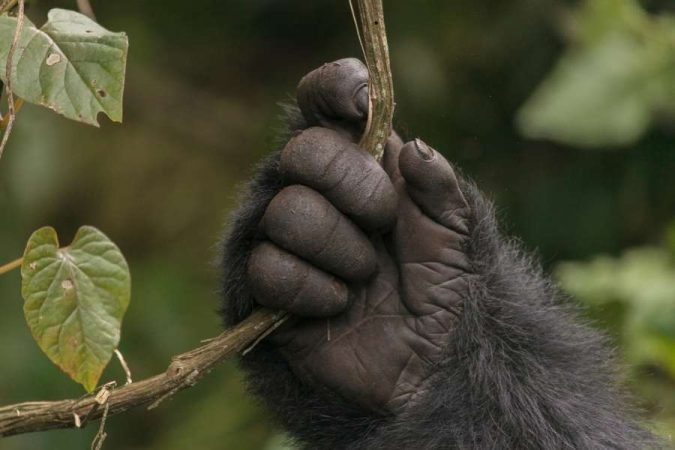
Then something crazy happened in the late 1990s. Rwanda’s Mountain Gorilla numbers started creeping up instead of down. The new government looked at their shattered country and made a wild bet. They decided that saving gorillas could actually help rebuild everything else. Smart or completely nuts? Probably both. Sustainable tourism in Rwanda wasn’t just about bringing in foreign cash. It was about giving people a reason to believe their country had a future worth fighting for.
President Kagame’s team basically said, “Let’s make gorilla tourism revenue our secret weapon for reconstruction.” Bold move considering most of the infrastructure was rubble. But here’s where they got clever. Instead of keeping all the money at the top, they shared it with the same communities that had been struggling to survive. Suddenly, wildlife conservation in Rwanda wasn’t some fancy foreign concept. It became everyone’s business.
Getting Creative with Protection
The Rwanda Development Board conservation programs threw out the old playbook entirely. Anti-poaching efforts in Rwanda stopped being about arrests and started being about jobs. Former poachers became the best trackers and guides because they knew every secret path through Volcanoes National Park. Brilliant, right? Instead of fighting these guys, they hired them.
Veterinary care for mountain gorillas got serious fast. The Gorilla Doctors program treats these animals better than most humans get healthcare. They track every gorilla’s medical history, perform surgeries in the forest, and basically run a mobile hospital for hairy patients who can’t exactly schedule appointments.
Community-Centered Conservation: The Game Changer
Here’s where Rwanda’s Mountain Gorilla recovery gets really interesting. The revenue-sharing deal wasn’t charity or feel-good nonsense. It was pure business logic. Communities that directly benefit from gorilla tourism earnings become the fiercest protectors you’ll ever meet. Simple math, really.
Local community conservation roles exploded beyond anyone’s imagination. Women started weaving baskets specifically for tourists. Kids learned English to work as junior guides. Entire villages restructured themselves around gorilla tourism seasons. The transformation stories are wild. I’m talking about former rebels becoming gorilla whisperers, sharing their forest knowledge with curious visitors from around the world.
Teaching Kids to Love What They Once Feared
Gorilla conservation education programs hit every school like a friendly invasion. Children who’d grown up thinking gorillas were dangerous monsters suddenly learned about gorilla families, emotions, and intelligence. These kids became walking advertisements for protecting Rwanda’s biodiversity. Their enthusiasm infected entire communities, creating ripple effects that nobody saw coming.
Rwanda’s Mountain Gorilla Population: Numbers That Actually Matter
The population stats for Rwanda’s Mountain Gorilla recovery read like someone made them up. From maybe 250 individuals barely hanging on to over 600 thriving gorillas across the region. That’s not just growth, that’s a conservation miracle happening in real time. Mountain gorilla breeding success in Rwanda has researchers scrambling to update their textbooks.
Multiple gorilla families now call Volcanoes National Park home, with baby gorillas being born regularly. The gorilla habituation process expanded to include more families, meaning more tourism opportunities without stressing out the gorillas. Smart balance between business and animal welfare.
Science Meets Street Smarts
Rwanda gorilla research initiatives turned the country into primate study central. International universities line up to partner with local researchers because the data coming out of Rwanda’s forests is pure gold. Long-term behavioral studies, genetic research, health monitoring. This scientific backup gives conservationists the ammunition they need to make smart decisions about managing growing populations.
Economic Impact: When Saving Animals Actually Pays the Bills
The money side of Rwanda’s Mountain Gorilla conservation blows people’s minds. Gorilla tourism revenue brings in over $400 million annually, making it Rwanda’s third-biggest money maker. That’s not pocket change. That’s serious economic development built on protecting animals instead of exploiting them.
High-value, low-impact tourism policies keep gorilla trekking experiences exclusive while maximizing benefits for everyone. Sure, $1,500 per permit sounds steep, but think about what you’re getting. An hour with wild mountain gorillas in their natural habitat? That’s priceless. Plus, every dollar funds rangers, veterinary care, community projects, and forest protection.
Jobs That Actually Matter
Conservation employment opportunities transformed entire regions around Volcanoes National Park. Hundreds of direct jobs in guiding, tracking, hospitality, park management. But the ripple effects go way beyond that. Local artisans, transportation providers, small shops, restaurants. Everyone benefits when gorilla tourism thrives.
Challenges and Real Threats Still Lurking
Don’t get too comfortable because Rwanda’s Mountain Gorilla populations still face serious problems. Climate change impacts are messing with mountain forests in ways that make scientists nervous. Temperature shifts and crazy weather patterns affect bamboo growth, which is basically gorilla fast food.
Human-wildlife conflict stays tricky because Rwanda keeps adding people to already crowded landscapes. More farms mean more pressure on forest edges where gorillas sometimes wander. Disease transmission risks between humans and gorillas require constant vigilance, especially after COVID taught us how quickly respiratory diseases can spread.
Borders Don’t Mean Much to Gorillas
Cross-border conservation efforts with Uganda and Congo remain absolutely critical. Mountain gorillas wander wherever they please, ignoring human political boundaries. Political instability in neighboring countries can instantly impact gorilla families that roam between territories. Regional cooperation isn’t optional, it’s survival.
Technology and Innovation in Gorilla Protection
Modern tech has revolutionized Rwanda’s Mountain Gorilla monitoring in ways that seem almost futuristic. GPS collars, camera traps, drones surveying from above. Digital tracking systems let researchers follow individual gorillas throughout their entire lives, building detailed biographies of behavior and health patterns.
Mobile technology applications turned rangers into real-time information networks. Spot a problem? Report it instantly. Need veterinary backup? Help arrives faster than ever before. Satellite monitoring catches forest encroachment before it becomes a crisis, giving rangers time to respond appropriately.