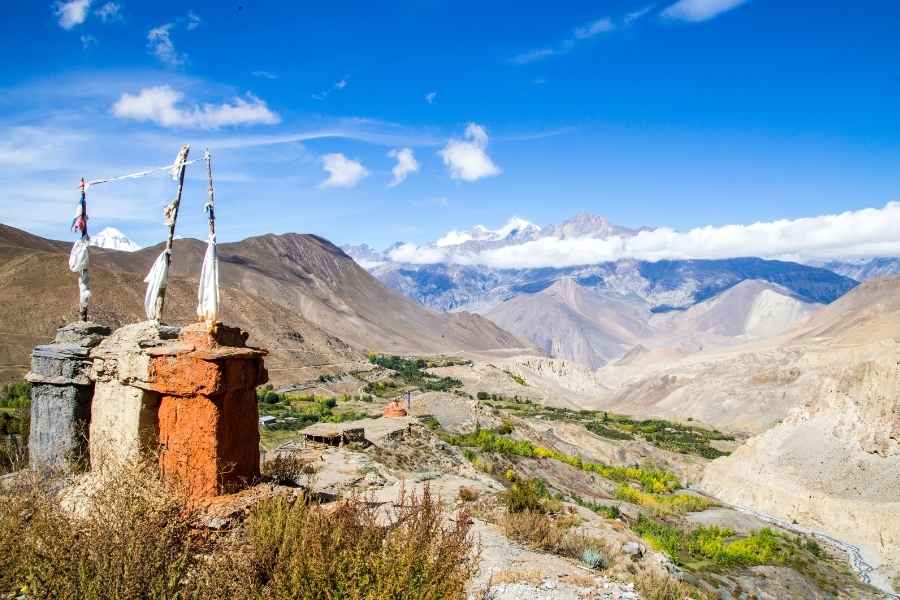
Nepal’s Annapurna Circuit isn’t just another mountain trail. It’s the trek that ruins you for all other adventures. Picture this: subtropical jungle morphing into snow-capped peaks within a single day’s walk. Yak herders sharing tea while avalanches thunder in the distance. Your legs screaming at 5,400 meters while your eyes feast on views that make Instagram jealous.
The Annapurna region throws everything at you except boring scenery. Those 8,000-meter giants aren’t just tall rocks – they’re geological monsters that make you question your place in the universe. Mountain villages cling to impossible slopes like they’re defying gravity. Every sunrise brings fresh challenges that’ll either break you or forge you into something stronger. This trek doesn’t coddle anyone.
Planning your Nepal’s Annapurna Circuit trek means accepting that Mother Nature calls the shots. Weather flips faster than a politician’s promises. Local customs matter more than your Instagram schedule. Smart preparation separates epic adventures from expensive disasters. The mountains reward respect and punish arrogance with zero mercy.
Why Nepal’s Annapurna Circuit Hooks Every Mountain Lover
This circuit delivers variety that puts buffets to shame. Thorong La Pass sits at 5,416 meters, waiting to test your lung capacity and willpower. The view from up there? It’s like someone spilled glitter across the entire Himalayas. Your camera battery will die three times trying to capture it all. That moment when you finally crest the pass makes every painful step worthwhile.
Annapurna Circuit trekking means diving headfirst into cultures that predate your country. Gurung families invite strangers for dinner like it’s normal. Manangi people speak languages you’ve never heard of. Thakali cooks serve dal bhat that beats five-star restaurants. These teahouse owners become temporary family members who remember your name years later. Real connection happens here.
The accessibility factor makes seasoned hikers and weekend warriors equally welcome. Trails connect villages like mountain highways with occasional detours through landslide zones. Mountain rescue services exist, though you’d rather not test them personally. Food reaches remote villages on porter backs and helicopter drops. Adventure exists within a safety framework that actually works.
Essential Nepal’s Annapurna Circuit Route Planning
Understanding the classic route prevents rookie mistakes that cost time and money. Annapurna Circuit itinerary typically starts in Besisahar and finishes somewhere civilized like Pokhara. Going counterclockwise helps your body adapt to thin air gradually. Budget 15-20 days unless you enjoy suffering unnecessarily. Each section delivers unique pain and pleasure in equal measure.
The Annapurna Circuit map reveals elevation changes that make roller coasters look tame. Manang at 3,519 meters serves as your altitude adjustment headquarters. Extra days here mean better summit chances later. Thorong Phedi represents your final pit stop before the big climb. Sleep quality here directly impacts tomorrow’s success rate.
Alternative route variations exist for time-crunched adventurers and overachievers alike. Annapurna Base Camp adds jaw-dropping close-ups of ice walls. Tilicho Lake throws in one of Earth’s highest swimming pools (swimming not recommended). Customization works if you plan properly. Side trips need extra permits and realistic time buffers.
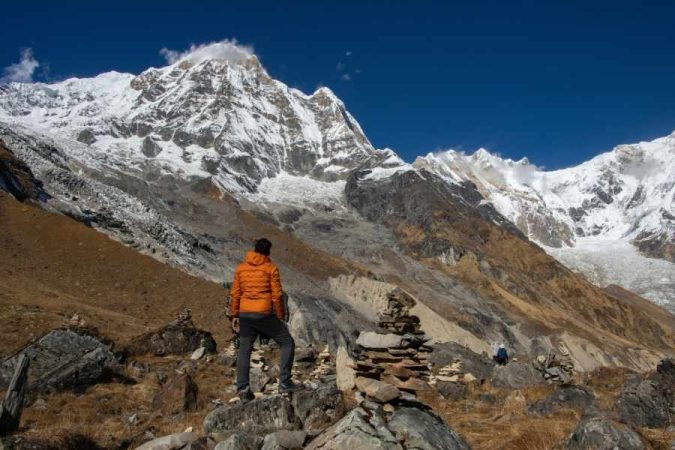
Nepal’s Annapurna Circuit: When Weather Actually Matters
Spring months from March to May deliver Annapurna trekking conditions that make photographers weep with joy. Mountain views stay crystal clear most days. Rhododendron forests explode in colors that shame rainbow collections. Temperatures hover in the Goldilocks zone during hiking hours. Expect crowds that rival Black Friday shopping.
Autumn from September to November offers weather so reliable it’s almost boring. Clear skies stretch for weeks like nature’s showing off. Post-monsoon air creates photography conditions that professionals dream about. Best time for Nepal’s Annapurna Circuit happens during these golden months. Book everything early or get shut out completely.
Winter trekking from December to February separates hardcore adventurers from casual tourists. Snow transforms peaks into postcard perfection that cameras struggle to capture. Fewer people mean authentic village experiences without tourist circus atmospheres. High altitude passes might slam shut without warning. Specialized gear becomes survival equipment, not hiking accessories.
Monsoon season from June to August punishes optimists and budget travelers equally. Rain turns trails into slip-and-slide courses with leeches as bonus features. Mountain views disappear behind cloud walls thicker than London fog. Landslides redraw trail maps in real time. Smart trekkers spend these months planning next year’s adventure instead.
Getting Your Nepal’s Annapurna Circuit Paperwork Sorted
Annapurna Conservation Area Permit (ACAP) opens doors to protected wilderness areas. Kathmandu and Pokhara offices process these for about $30. This fee funds conservation work and community projects that actually matter. Your permit money builds schools and protects snow leopards. Keep receipts for karma points.
TIMS Card (Trekkers’ Information Management System) tracks your movements for safety purposes. Individual and group cards cost differently because bureaucracy loves complications. Fees run $10-20 depending on your setup. This system helps rescue teams find you when things go sideways. Registration beats becoming a missing person statistic.
Permit processing takes one business day with proper paperwork. Passport photos and completed forms are non-negotiable requirements. Travel insurance might be requested because officials actually care about your survival. Guard these permits like concert tickets. Replacements cost money and precious trekking time.
Getting Your Body Ready for Nepal’s Annapurna Circuit
Cardiovascular fitness determines whether you enjoy this trek or simply survive it. Start training three months early unless you enjoy mountain suffering. Weighted backpack hikes build muscles you forgot existed. Stair climbing and hill running prepare legs for endless ups and downs. Gradual intensity increases prevent injury disasters.
Strength training focuses on the body parts that’ll hurt most: legs, core, and back. These muscle groups carry you when motivation fails. Altitude acclimatization can’t be faked at sea level gyms. Mountain air teaches this lesson personally. Mental toughness matters more than perfect abs.
Practice with your actual trekking setup until everything feels natural. Break in boots until they’re comfortable as slippers. Trekking poles save knees and improve balance on sketchy terrain. Daily 6-8 hour hikes with full packs become your new normal. Preparation quality determines adventure enjoyment levels.
Nepal’s Annapurna Circuit: Where You’ll Sleep and Eat
Teahouse accommodation ranges from cozy to questionable depending on location and season. Family-run lodges offer basic rooms with shared bathrooms that test your flexibility. Blankets and pillows come standard in most places. Bring sleeping bags for warmth and hygiene peace of mind. Mountain hospitality creates bonds that outlast the trek itself.
Food variety shrinks with altitude like your appetite after day five. Lower villages serve international menus that actually taste decent. Dal bhat provides reliable fuel that powers Sherpa strength. Higher elevations mean simpler meals because helicopters don’t deliver sushi. Adjust expectations before they adjust themselves.
Advance bookings during peak season prevent sleeping under stars involuntarily. Popular stops like Manang fill faster than concert venues. Teahouse reservations can be arranged through agencies or direct contact if you speak Nepali. Flexibility helps secure beds when plans change unexpectedly. Backup options prevent expensive helicopter rides to find accommodation.
Staying Alive at Altitude on Nepal’s Annapurna Circuit
Acute mountain sickness (AMS) affects everyone differently above 3,000 meters. Headaches, nausea, and fatigue signal your body’s altitude adjustment process. Gradual climbing and proper rest days prevent most problems. Ignoring symptoms leads to helicopter evacuations or worse outcomes. Descent saves lives when ascent becomes dangerous.
Acclimatization rest days in Manang and other spots aren’t vacation time. Your body needs altitude adjustment periods to produce extra red blood cells. Hydration and light activity help adaptation processes work properly. Alcohol and sleeping pills sabotage natural adjustment mechanisms. Listen to your body’s wisdom over your schedule’s demands.
Emergency evacuation exists throughout most circuit sections via helicopter rescue services. Major villages have landing zones for medical emergencies. Travel insurance must specifically cover high-altitude helicopter costs. Communication devices enable emergency contact when cell towers disappear. Safety preparation extends beyond gear lists and fitness levels.
What to Pack for Nepal’s Annapurna Circuit
Layered clothing systems handle temperature swings from tropical heat to arctic conditions within single days. Base layers manage moisture while insulating layers trap body heat effectively. Waterproof shells block wind and precipitation when weather turns nasty. Temperature ranges span 40+ degrees Celsius from valley floors to high passes.
Trekking boots represent your most critical gear investment for foot comfort and safety. Proper fit prevents blisters that end treks prematurely. Waterproof materials keep feet dry through stream crossings and snow patches. Break in boots completely before international travel begins. Foot problems ruin adventures faster than bad weather.
Essential items include headlamps, water purification tablets, and comprehensive first aid kits. Sleeping bags rated for sub-zero temperatures ensure warm nights at altitude. Trekking poles reduce joint stress and provide stability on loose terrain. Sunglasses and sunscreen protect against intense high-altitude UV radiation. Pack weight balance matters more than gear quantity.
Cultural Immersion Along Nepal’s Annapurna Circuit
Buddhist monasteries and Hindu temples appear around every corner like spiritual checkpoints. Prayer flags flutter constantly in mountain winds carrying wishes skyward. Local festivals might coincide with your visit if timing aligns properly. Respectful observation and participation create meaningful cultural connections. Open minds lead to unforgettable experiences with mountain communities.
Traditional architecture showcases centuries of adaptation to extreme mountain environments. Mani walls display hand-carved prayers and sacred symbols throughout villages. Local artisans create textiles and metalwork using techniques passed through generations. Supporting communities through authentic purchases makes economic impact. Cultural curiosity opens doors that money cannot.
Language barriers dissolve through genuine smiles and universal human gestures. Basic Nepali phrases demonstrate respect and create positive first impressions. Village children rarely encounter foreign visitors in remote locations. Your presence generates excitement and curiosity in isolated mountain communities. Human connections often become the most treasured trek memories.
Budgeting Your Nepal’s Annapurna Circuit Adventure
Trekking costs vary wildly based on comfort preferences and service levels chosen. Independent trekking cuts expenses but demands navigation skills and self-reliance. Guided expeditions provide cultural insights and safety support at premium prices. Budget for permits, accommodation, meals, and transportation between major cities. Budget trekking options make this circuit accessible to various financial situations.
Daily expenses run $25-50 depending on accommodation choices and meal preferences. Higher elevations charge premium prices because supply logistics cost more. Porter services run approximately $15-25 daily including their food and accommodation expenses. Tipping guides and porters follows established cultural protocols. Emergency funds cover unexpected delays and expenses.