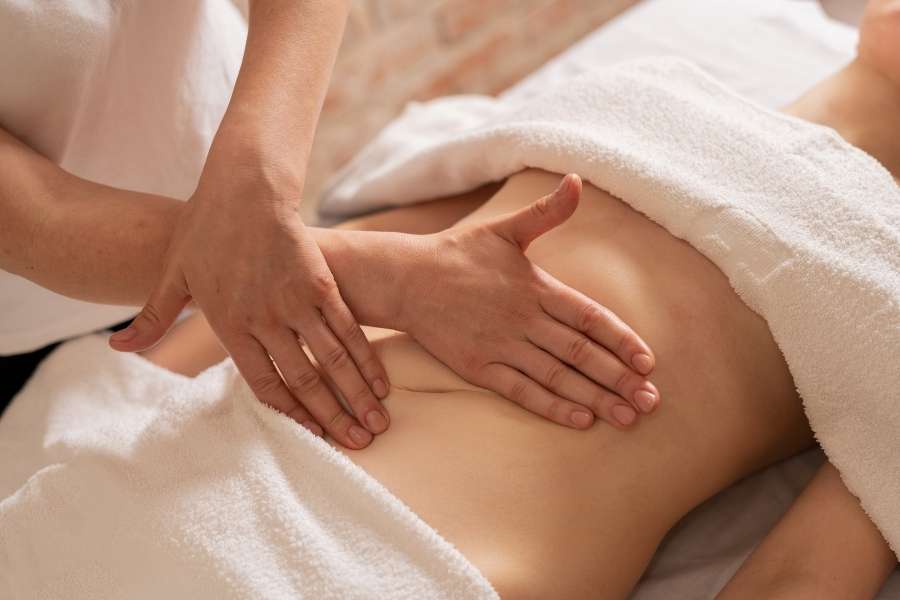
Have you ever woken up feeling heavy, puffy, and swollen? That uncomfortable bloated feeling is often excess fluid trapped in your tissues. When your internal plumbing slows down, your body holds onto moisture like a sponge. Targeted physical therapy clears this congestion and resets your cellular rhythm.
Understanding how lymphatic drainage massage works starts with the network under your skin. Your heart pumps blood, but your lymph system has no central pump. It relies on movement, deep breathing, and touch to keep fluid moving. When it stalls, liquid pools in tissue spaces and creates stubborn fluid buildup.
Adding lymphatic drainage massage to your routine offers a proven remedy for swelling. Rhythmic touch along anatomical pathways moves stagnant liquid toward filter stations. This restores balance, aids tissue renewal, and leaves you feeling light. Let us explore the mechanics and real benefits of this manual technique.
Understanding the Fluid Highway: How Your Lymph Network Operates
Your lymph network stretches across your entire body like a high-tech filtration system. It processes cellular waste, excess protein, metabolic leftovers, and fluid reserves. Every day, blood capillaries leak small amounts of plasma into your tissues. Lymphatic vessels absorb this liquid, filter it through nodes, and return it to your blood. When fluid overwhelms the system, swelling reduction becomes much harder to achieve naturally. Learning about the health benefits of regular lymphatic drainage massage reveals how essential this routine is for your body.
Unlike blood, lymph moves only when muscles contract or deep breathing occurs. Sitting at a desk for long hours slows this drainage cycle. Trapped fluid stays in extracellular spaces, causing stiffness and discomfort.
Key Mechanism:
Lymphatic drainage massage uses directional skin strokes to open micro-valves. This action directs trapped liquid straight into your natural detox pathways.
The Mechanical Magic: How Gentle Pressure Flushes Trapped Fluid
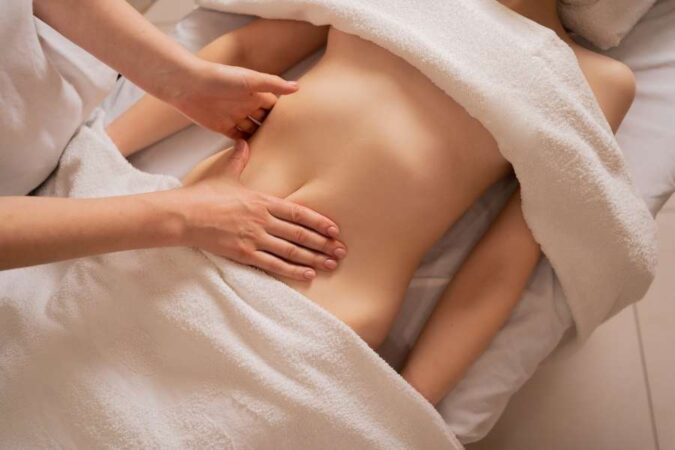
Many people think deep muscle pressure is required to break up swelling. However, aggressive force actually collapses delicate superficial lymph capillaries. Long flights or extended trips often cause body puffiness, making techniques like this ideal after using last minute hotel booking apps that work to unwind comfortably. The true power lies in light, rhythmic motions targeting the top dermal layer.
By applying intentional gentle pressure, a therapist stretches skin along natural drainage lines. This motion opens microscopic valves and pulls fluid out of swollen tissues. The liquid then flows into larger channels toward deep nodes in your neck, armpits, and groin.
Specialized nodes filter out waste, cellular debris, and lingering pathogens. The cleaned fluid returns to your bloodstream, allowing your kidneys to flush it out through urine. This process delivers rapid relief, restores tissue flexibility, and visibly tones swollen areas.
Specific Physiological Mechanisms of Action
Light skin stimulation triggers smooth muscle contractions within larger lymph collectors. This pumping response continues for hours after your session, driving ongoing swelling reduction.
| Physiological Stage | Manual Technique Applied | Targeted Biological Structure | Resulting Biological Effect |
| 1. Initial Anchoring | Stationary circles & wave motions | Initial dermal lymphatic capillaries | Opens endothelial micro-valves to absorb stagnant interstitial fluid. |
| 2. Transport Phase | Sequential sweeping strokes | Pre-nodal lymphatic collectors | Stimulates smooth muscle propulsion along major lymphatic pathways. |
| 3. Node Filtration | Targeted clearing pumps | Axillary, cervical, and inguinal nodes | Filters cellular waste, neutralizes debris, and accelerates fluid clearance. |
| 4. Vascular Return | Gentle terminal strokes | Subclavian venous junction | Returns clean fluid to bloodstream for natural renal excretion. |
Unlocking Top Health Benefits: Why Water Retention Needs Clearing
Pooling fluid puts physical pressure on blood vessels and restricts oxygen delivery. It leaves your tissues feeling tight, heavy, and exhausted. Clearing this backlog provides benefits that extend far beyond simple physical appearance.
First, releasing trapped water reduces pressure on nearby nerve endings. This brings fast relief to stiff legs, swollen feet, and heavy abdominal tissue. Searching for the best ways to reduce water retention often leads people straight to manual therapy.
Second, moving stagnant fluid supports your active immune defenses. Congested lymph blocks immune cells from traveling freely through your system. Unlocking these pathways lets white blood cells circulate rapidly to control inflammation. Exploring the benefits of gentle massage for detox shows how vital clean fluid flow really is.
Clinical Insight:
Removing pooled interstitial liquid lowers tissue pressure. This improves microvascular circulation and speeds fresh nutrients to recovering cells.
Clinical Applications: From Recovery Care to Esthetic Refinement
Manual fluid clearing is an essential tool in medical rehabilitation and post-op care. Doctors and physical therapists rely on it to speed up patient recovery times.
Surgical procedures like liposuction or joint repairs cause sudden, intense inflammatory swelling. Targeted post surgery care prevents tissue hardening and breaks up early scar tissue. Moving fluid away from incision sites lowers pain and accelerates total healing.
Beyond recovery, manual drainage has become famous for non-invasive body sculpting. Removing fluid trapped beneath skin layers immediately softens contours and smooths skin. It enhances natural muscle definition across your abdomen, legs, and jawline.
| Application Area | Primary Clinical Objective | Key Therapeutic Outcome | Recommended Frequency |
| Post-Surgical Healing | Reduce inflammatory edema & hematomas | Prevents tissue fibrosis and accelerates incision healing. | 2–3 sessions weekly for 4 weeks post-op |
| Immune Support | Clear metabolic waste & stagnant lymph | Strengthens immune system readiness and reduces systemic fatigue. | 1–2 sessions per month for maintenance |
| Aesthetic Sculpting | Eliminate superficial fluid pooling | Delivers temporary tissue tightening and smoother skin texture. | Weekly sessions before major events |
| Circulatory Support | Relieve venous pressure & heavy legs | Enhances peripheral circulation and tissue oxygenation. | Bi-weekly for chronic standing or travel |
What to Expect During and After Your Manual Therapy Session
Knowing what to expect from lymphatic drainage helps you relax and enjoy your session. Unlike deep tissue work, this treatment is exceptionally soft, quiet, and calming.
You will lie on a warm table while the practitioner uses feather-light strokes. Work usually starts near your neck to clear main drainage outlets first. The slow, rhythmic pace relaxes your nervous system, often drifting clients into sleep.
Afterward, you will likely feel an urgent need to use the restroom. This means your kidneys are actively processing the mobilized liquid. Clothes may feel looser around your waist, wrists, or ankles. Drink plenty of water to help your body flush out lingering waste easily.
| Phase | What You Experience | Internal Body Response | Pro-Tip for Best Results |
| Before Session | Consultation & health history review | Baseline fluid assessment | Drink 16 oz of water 1 hour before arriving. |
| During Session | Light, repetitive skin strokes; deep relaxation | Capillary opening, smooth muscle pumping activated | Focus on slow, deep abdominal breathing. |
| Immediately After | Lighter limbs, increased urination, mild thirst | Kidneys process and excrete mobilized fluid | Refrain from high-sodium meals and alcohol. |
| 24 Hours Post | Sustained puffiness reduction, enhanced energy | Sustained systemic filtration and waste clearance | Take a brisk 20-minute walk to keep fluid moving. |
FAQ
How quickly will I see results after a session?
Most people notice reduced puffiness and lighter limbs right after one session. The maximum clearing effect occurs within 24 to 48 hours.
Is lymphatic drainage massage painful?
No, it is completely painless. The therapist uses very light, rhythmic skin-stretching motions.
How often should I get lymphatic drainage for water retention?
For surgery recovery, aim for 2 to 3 weekly sessions initially. For general wellness, 1 to 2 monthly sessions work great.
Can I do self-lymphatic drainage at home?
Yes, light self-massage strokes toward your neck, armpits, or groin help maintain results. Always move strokes toward heart level.
Are there any medical contraindications for this massage?
Yes. People with active heart failure, blood clots, skin infections, or kidney issues must avoid it.
Reclaim Your Body’s Natural Balance Today
Water retention does not have to leave you feeling heavy, tight, and uncomfortable. Working with your anatomy offers a gentle, effective way to clear fluid buildup.
Whether recovering from surgery or shaping contours, supporting your lymph system delivers rapid results. Are you ready to feel lighter and refreshed? Book a session with a certified therapist today and experience true fluid balance!