
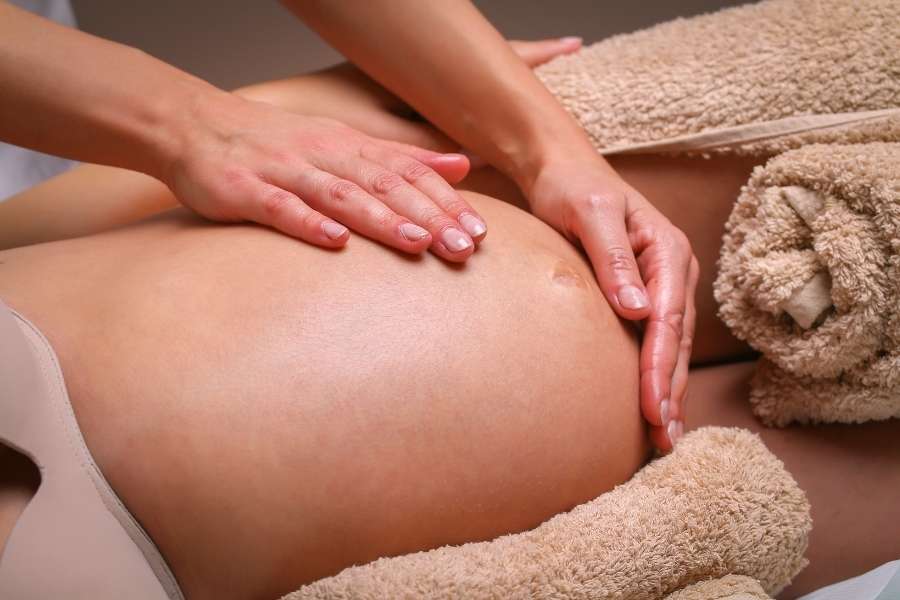
Entering your third trimester often brings intense physical strain. Your belly grows, your back aches constantly, and finding restorative sleep feels almost impossible. Carrying this extra weight every day tests your physical endurance. Many expectant mothers look for natural, reliable solutions to ease late-term discomfort. Specialized prenatal massages offer proven relief for sore joints, tight muscles, and emotional tension during these demanding final weeks.
Specialized bodywork does not merely pamper a tired body. It actively calms your nervous system and eases overloaded muscles. Learning what to know about pregnancy massage safety helps you make informed choices for you and your baby.
Understanding the Physical Toll of the Final Trimester
The final stretch of gestation places heavy demands on your body. As your baby gains weight, your abdominal muscles stretch to their limit. Your lumbar spine curves forward to maintain balance. This structural change causes lasting soreness in your hips, sacrum, and lower back. Simple bed rest rarely solves these deep muscular tensions. Many women also struggle with intense fluid accumulation in their legs and feet. Incorporating a dedicated lymphatic drainage massage to reduce water retention can gently restore fluid balance throughout your lower limbs.
These biological adaptations explain why everyday relaxation techniques often fail. Your entire musculoskeletal system works constantly to keep you balanced and upright.
The Biomechanical Shift and Lumbar Strain
As your baby settles lower into your pelvis, nearby muscle groups work overtime. Stabilizer muscles tighten defensively, which can compress your sciatic nerve. This compression sends sharp, burning sensations down your legs and lower back. Daily tasks like standing, walking, and turning in bed become painful challenges.
Trained therapists gently release these overworked muscle bands without causing defensive spasms. Learning how massage therapy helps third-trimester pain gives mothers an effective path toward daily relief.
Targeted bodywork restores healthy mobility to stiff spinal joints and tight hips. Expectant mothers can move with greater ease, confidence, and physical comfort every day.
Your center of gravity shifts forward, pulling on lumbar muscles. Relaxin loosens pelvic ligaments, forcing nearby muscles to overcompensate. Daily posture changes increase pressure on major weight-bearing joints. Routine tasks trigger tension in the lower back and hips.
Fluid Retention and Circulation Obstacles
Circulatory fluid increases by nearly half during late pregnancy. This significant fluid expansion leads to puffy ankles, stiff fingers, and tired legs. Your growing uterus presses against lower pelvic blood vessels, slowing venous blood return to your heart. Walking can quickly feel heavy and exhausting.
Practitioners apply light, rhythmic strokes that move excess fluid upward toward your heart. This gentle lymphatic support encourages noticeable swelling reduction, helping your ankles feel light and mobile again.
Clearing trapped fluid eases local tissue pressure around your nerves and joints. This soothing drainage helps prevent painful morning stiffness, skin tightness, and peripheral numbness.
Excess fluid pools in the lower legs, ankles, and feet. Pressure on pelvic veins slows natural fluid drainage. Gentle strokes guide trapped lymphatic fluid back toward your heart. Relieving tissue tightness restores normal range of motion.

How Specialized Bodywork Eases Late-Term Discomfort
Professional pregnancy bodywork differs fundamentally from a traditional spa massage. Certified therapists use anatomy-based techniques adapted to your unique physical state. Every touch aims to support your comfort while keeping your baby completely protected. Exploring the real health benefits of regular lymphatic drainage massage reveals how consistent circulation therapy enhances immune vitality and systemic tissue recovery throughout your entire pregnancy journey.
Working with an expert ensures that your therapy addresses late-stage pregnancy needs directly.
Relieving Sciatica, Hip Discomfort, and Joint Stress
Persistent aching around your hips often stems from widening pelvic bones. The hormone relaxin softens cartilage, causing adjacent stabilizer muscles to contract tightly to maintain balance. This deep muscle tension creates severe discomfort when walking or standing.
Therapists apply broad, focused pressure to release contracted gluteal muscles and ease pelvic pain. This targeted work frees pinched nerve pathways and stabilizes your sacroiliac joints.
You will notice immediate improvements in your daily stride and sitting comfort. Many women report walking upstairs and getting out of cars without sharp, catching pains.
Piriformis and gluteal muscles soften to relieve sciatic pressure. Sacroiliac ligaments receive gentle support to stabilize pelvic joints. Lower back muscles loosen to improve your walking posture. Deep hip rotators release tension, making sitting far more comfortable.
Soothing Spasms and Nighttime Leg Tension
Sudden, painful calf contractions frequently wake pregnant women in the middle of the night. These sharp cramps occur due to circulation shifts, mineral changes, and heavy physical loads on tired legs. These involuntary spasms disrupt deep, restorative sleep.
Adding prenatal massages to your regular care routine releases tight trigger points in your calves. Gentle kneading and passive stretching significantly cut down on recurring leg cramps.
Improved blood flow brings essential oxygen directly to fatigued muscle fibers. You can sleep peacefully through the night without fearing painful morning muscle spasms.
Broad upward strokes improve circulation throughout both calves. Gentle passive stretching calms hyperactive muscle fibers. Fresh arterial blood flow clears metabolic waste products quickly. Restoring calm to your legs promotes uninterrupted night sleep.
Nervous System Balancing and Restorative Rest
Physical soreness is deeply connected to mental stress and ongoing fatigue. Carrying extra weight while balancing daily duties raises stress hormones, keeping your body on high alert. This constant tension drains your emotional reserves.
Therapeutic touch lowers stress hormones like cortisol while stimulating endorphins and oxytocin. This natural biological shift aids healthy hormone regulation, leaving you grounded, refreshed, and calm.
A relaxed nervous system directly improves your overall quality of sleep. Breaking the cycle of sleepless nights restores your energy and mental clarity for childbirth.
Lower cortisol levels calm your overactive nervous system. Increased oxytocin release fosters emotional balance and deep calm. Reduced physical tension helps you fall asleep much faster. Regular bodywork builds mental confidence for labor and delivery.
Essential Safety Protocols for Third-Trimester Care
Safety remains the highest priority when booking late-pregnancy bodywork. The proven benefits of safe ways prenatal massages relieve pregnancy aches depend on clinical protocols, proper setup, and clear communication. Knowing what precautions to look for ensures a safe, relaxing experience.
Qualified therapists follow strict clinical guidelines designed to safeguard your well-being.
The Gold Standard: Strategic Lateral Support
Lying flat on your back after mid-pregnancy is unsafe for your baby. The heavy uterus presses directly on your inferior vena cava, reducing healthy blood flow. Similarly, lying prone on hollowed tables can strain uterine ligaments.
Certified specialists place you in a secure side-lying positioning, supported by specialized pillows under your head, belly, and knees. This proper positioning keeps your spine aligned and protects maternal and fetal blood circulation.
Semi-reclined postures can also be used for working on your neck, arms, and shoulders. This secure setup allows you to unwind fully without straining sensitive joints.
Cushions support your head, neck, and shoulders evenly. A supportive wedge cushions your belly to prevent ligament pull. A firm pillow between your knees aligns your hips and pelvis. Side-lying postures keep blood flowing freely to the placenta.
Touch Depth and Vascular Safeguards
Deep tissue techniques using sharp elbows or intense pressure are unsafe during late pregnancy. Maternal blood naturally clots faster near full term, making deep leg veins vulnerable to irritation. Intense pressure can dislodge clots or trigger unnecessary pain.
Reputable bodywork experts rely exclusively on controlled gentle pressure and sweeping strokes. They avoid deep work along the inner calves and thighs, protecting delicate veins while releasing superficial tension.
Broad myofascial strokes across your shoulders, back, and hips provide lasting comfort. This careful approach delivers profound physical relief while maintaining strict safety standards.
Therapists avoid intense elbow pressure and deep percussion. Broad palm strokes replace sharp, localized finger pressure. Calves and inner thighs receive only light, soothing touch. Controlled pressure guarantees comfort without stressing sensitive blood vessels.
Certified Training and Professional Credentials
Not all licensed therapists have advanced training in prenatal care. Booking an untrained provider increases the risk of unsafe positioning or inappropriate pressure points. Your physical health requires specialized expertise.
Protecting your overall prenatal safety means hiring a practitioner certified in maternal bodywork. These specialists understand pregnancy physiology, anatomical changes, and clinical contraindications thoroughly.
Always verify your therapist’s credentials, dedicated training hours, and clinical background before booking. A reliable professional will review your complete medical history before beginning any hands-on session.
Look for verified certifications in prenatal massage therapy. Confirm that your therapist has extensive third-trimester experience. Ensure the clinic uses professional pregnancy cushions and supports. Expect a thorough initial health intake before your session begins.
Clinical Evidence and Healthcare Endorsements
The benefits of therapeutic touch during pregnancy are supported by medical research. Modern obstetricians view prenatal bodywork as an effective non-pharmacological therapy for musculoskeletal aches. Regular treatments provide safe, drug-free comfort when cleared by your healthcare provider.
Leading maternal health organizations encourage safe massage therapies to ease late-term discomfort.
What the Research Shows
Clinical trials highlight the undeniable benefits of prenatal massage for expectant mothers. Studies demonstrate that pregnant women receiving regular bodywork report lower stress scores, fewer backaches, and better moods. Gentle touch therapy acts as an effective reset for an exhausted body.
Research also reveals that lower maternal stress corresponds with calmer fetal heart rates. Managing pain through massage therapy helps mothers stay active, balanced, and confident throughout pregnancy.
Many women who receive regular bodywork report smoother labor experiences. Keeping pelvic muscles supple and mobile prepares your body effectively for the physical demands of birth.
Research shows significant reductions in self-reported back and hip pain. Studies confirm lowered stress markers following gentle bodywork sessions. Improved sleep quality supports immune health and daily energy levels. Flexible pelvic muscles facilitate more comfortable physical movement during labor.
Essential Doctor Consultations and Red Flags
While bodywork is safe for most healthy pregnancies, certain health conditions require strict medical caution. Consulting your doctor or midwife ensures that therapy integrates seamlessly into your prenatal care. Your safety always comes first.
Conditions like preeclampsia, sudden facial swelling, deep vein risks, or vaginal bleeding rule out massage. If you have gestational diabetes or high blood pressure, you must get written medical clearance first.
Your therapist should assess your health status at the start of every visit. Transparent discussions guarantee that every treatment remains restorative, safe, and pleasant.
Consult your obstetrician or midwife before booking your first appointment. Reschedule immediately if you experience sudden headaches or visual changes. Mention any high-risk factors during your initial intake consultation. Maintain an ongoing dialogue with your entire healthcare team.
Setting Up Your Third-Trimester Session for Success
Active participation helps you gain the greatest benefits from your therapy. Thoughtful preparation transforms a standard massage into a restorative haven for your body. Simple self-care steps before and during your visit ensure total relaxation.
Following practical preparation steps helps you unwind from the moment you arrive.
Practical Preparation Checklist
Arrive at your appointment well-hydrated and have a light snack about an hour beforehand. An empty stomach may cause lightheadedness, while a heavy meal makes lying down uncomfortable. Staying hydrated keeps your muscle tissues pliable and responsive.
Plan to arrive fifteen minutes early to check in, use the restroom, and catch your breath. Rushing to your session keeps your stress levels elevated, making it harder to unwind.
Wear loose, comfortable clothing and slip-on shoes that are easy to remove and put on afterward. These practical choices prevent you from bending over sore ankles after a deeply relaxing session.
Drink a large glass of water before heading to your appointment. Eat a balanced snack combining complex carbs and light protein. Use the restroom just before climbing onto the massage table. Wear soft, loose clothing to stay comfortable after your treatment.
Communicating Clearly on the Table
You have full authority over your comfort during the entire massage session. Speak up if a pillow feels out of place, the room feels cold, or a stroke feels uncomfortable. Your therapist wants your real-time feedback to tailor the treatment.
Tell your therapist immediately if you feel dizzy, nauseous, or out of breath. A simple adjustment to your cushions or body angle will quickly restore comfort and circulation.
Building an open relationship with your therapist turns every appointment into a safe haven. You can let go of daily worries and focus entirely on your well-being.
Prioritizing regular professional care provides deep maternal comfort as your due date approaches. Calming tight muscles and easing chronic tension helps you step into motherhood with physical strength, vitality, and peace of mind.
Tell your therapist immediately if any touch feels uncomfortable. Ask for pillow adjustments whenever you feel uneven pressure. Share changes in your daily aches before each session begins. Breathe slowly and let your body sink into the supportive cushions.
Frequently Asked Questions
Is it safe to get a massage during the 38th or 39th week of pregnancy?
Yes, healthy women can safely enjoy massage therapy right up until delivery. Make sure your doctor approves the treatment beforehand. Certified practitioners use safe side-lying positions and gentle techniques to keep you comfortable.
Can receiving a massage trigger premature labor in the third trimester?
Professional bodywork will not trigger labor or cause premature contractions when performed by a certified therapist. Specialists intentionally avoid sensitive pressure points and apply soothing strokes to ease sore muscles safely.
How often should I schedule bodywork sessions in my third trimester?
Booking a session every two to three weeks between weeks 28 and 36 offers steady physical relief. Moving to weekly sessions during the final month helps reduce fluid buildup and calms labor-related tension.
